What Is a Breakout Session at a Conference?
A breakout session is an individual session that takes place separately from the main conference program. Attendees may gather in one large room for a plenary speech, keynote, or general session, then “break out” into smaller groups in separate conference rooms for more focused programming.
AI Summary
A breakout session is a smaller conference session held apart from the main program, giving attendees more focused content based on their interests or needs. It lets one conference serve different audiences without forcing everyone through the same experience.
The Mollie Plotkin Group has facilitated breakout sessions featuring speakers ranging from world-class magician and keynote speaker David Kwong to globally renowned supply chain and economics expert Dr. Yossi Sheffi. Breakout sessions are useful because they let a conference serve different audience needs without forcing every attendee into the same experience.
Table of Contents
- What Is a Breakout Session?
- What Happens in a Breakout Session?
- How Long Is a Breakout Session?
- What Is the Difference Between a Breakout Session and a Workshop?
- Why Do Conferences Use Breakout Sessions?
- What Makes a Good Breakout Session?
- Who Should Lead a Breakout Session?
- When Should Breakout Sessions Happen During a Conference?
- Breakout Session FAQ
What Is a Breakout Session?
A breakout session is a smaller conference session that runs separately from the main stage program.
The basic idea is simple. A full conference audience gathers together for the major shared moments of the event, such as the opening keynote or plenary session. The audience then separates into smaller rooms for sessions built around more specific attendee interests.
Breakout sessions are usually more focused than the main session. They give attendees a chance to go deeper on a subject that matters to them. They also give conference planners a way to serve different attendee groups within the same event.
What Happens in a Breakout Session?
A breakout session can be one of many types of meetings, depending on the event:
- a workshop
- keynote
- Q&A
- fireside chat
- panel discussion
- training session
- product demo
The key feature is not the format. The key feature is that the session is separate from the main program and built around a more specific goal.
Breakout sessions usually bring together a smaller, more targeted group of attendees. A breakout session may have as few as 5 people or as many as 50 people. Some conferences use larger breakout rooms, but the format usually works best when the audience feels more contained than the general session audience.
How Long Is a Breakout Session?
A breakout session usually lasts between 30 minutes and one hour.
Some breakout sessions are shorter when the goal is to introduce a topic, spark discussion, or give attendees a fast learning experience. Other breakout sessions may last 90 minutes or longer when the format includes hands-on work, group exercises, training, or detailed discussion.
The length should match the goal of the session. A 30-minute breakout session can work well for a focused speaker presentation. A 60-minute breakout session can work well for a presentation with questions. A longer breakout session can work well for workshops or interactive learning.
What Is the Difference Between a Breakout Session and a Workshop?
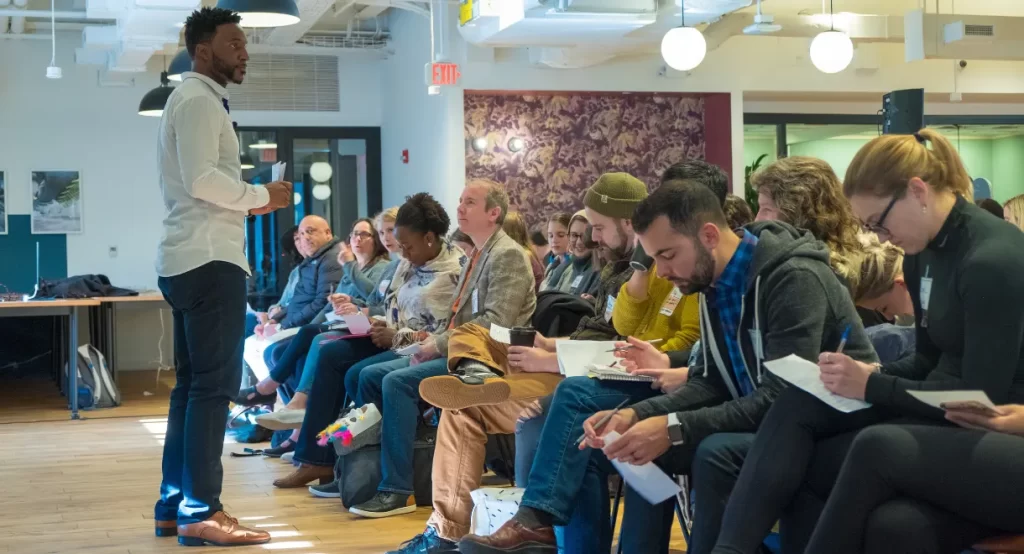
A workshop can be a type of breakout session, but the two terms do not mean the same thing.
A breakout session describes where and how the session fits into the conference schedule. It is a smaller session that breaks away from the main program.
A workshop describes the format of the session. It usually involves hands-on learning, audience participation, exercises, or practical skill-building.
This means a workshop can be a breakout session. A breakout session can also be a keynote, panel, Q&A, fireside chat, product session, or moderated discussion. The terms overlap, but they are not interchangeable.
Why Do Conferences Use Breakout Sessions?
Conferences use breakout sessions because one main-stage program cannot meet every attendee’s needs.
A large conference audience may include executives, managers, clients, employees, sponsors, technical specialists, sales teams, and first-time attendees. These groups may share the same overall event theme, but they often need different levels of detail.
Breakout sessions let attendees choose the content that is most relevant to them. One attendee may want leadership strategy. Another attendee may want tactical training. Another attendee may want industry-specific discussion. Breakout sessions allow all of those experiences to happen within the same event.
Breakout sessions also help planners avoid making the general session too broad. The main stage can carry the central message of the event. The breakout rooms can handle the more specific conversations that different attendee groups need.
What Makes a Good Breakout Session?
A good breakout session has a clear, contained goal.
The session should connect to the larger theme of the conference, but it should not try to cover everything. A breakout session works best when it answers one focused question, solves one specific problem, or gives one audience segment a more relevant experience.
Strong breakout sessions are usually targeted. They may be organized by job function, industry, experience level, topic interest, client type, or learning objective. The more specific the session is, the easier it is for attendees to decide whether it belongs on their schedule.
Breakout sessions should also avoid unnecessary overlap. If 2 to 5 breakout sessions are happening at the same time, each session should serve a different need. Attendees should not feel like two sessions are competing for the exact same audience.
Who Should Lead a Breakout Session?
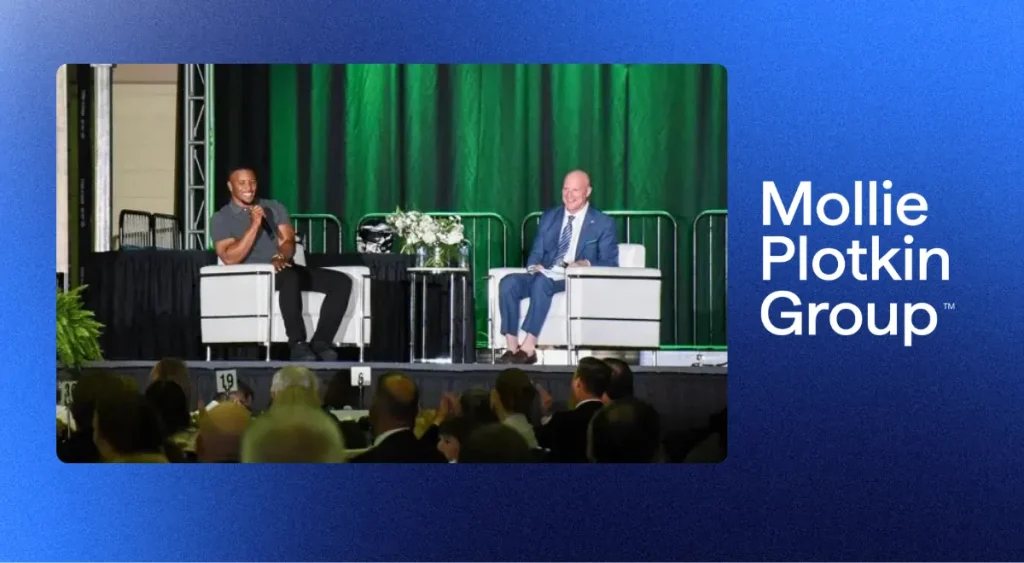
A breakout session should be led by someone who can deliver focused value to a specific audience group.
A keynote speaker can lead a breakout session after a main-stage presentation. This can give attendees a more intimate way to explore the speaker’s ideas. A subject-matter expert can also lead a breakout session when the topic requires depth, technical knowledge, or practical experience.
Breakout sessions can also be led by executives, moderators, trainers, authors, athletes, entertainers, consultants, or internal leaders. The right leader depends on the goal of the session.
A speaker like David Kwong may work well when the breakout session is designed around creativity, perception, puzzles, communication, or audience engagement. A speaker like Dr. Yossi Sheffi may work well when the breakout session is built around supply chains, global risk, business resilience, or economic uncertainty.
When Should Breakout Sessions Happen During a Conference?
Breakout sessions usually happen after a shared main-stage moment.
Many conferences begin with a general session or keynote that frames the event’s central theme. Breakout sessions can then follow that shared opening by giving attendees more specific ways to explore the theme.
Breakout sessions also work well in the middle of the day because they create movement and variety. Attendees can leave the main room, choose a session that fits their goals, and return later for another shared moment.
The timing should avoid forcing attendees to choose between essential sessions. If several breakout sessions run at once, the planner should make sure each one is distinct enough that attendees can self-select without feeling like they are missing the same type of content somewhere else.
Breakout Session FAQ
How many breakout sessions should a conference have?
The number of breakout sessions depends on the size of the conference, the number of attendees, and the range of audience needs. Many conferences run 2 to 5 breakout sessions at the same time. Larger conferences may run many more, especially when the audience includes different industries, roles, or experience levels.
How long should a breakout session be?
A breakout session usually lasts between 30 and 60 minutes. Shorter sessions work well for focused presentations or quick discussions. Longer sessions work better for workshops, training, exercises, or sessions that include audience participation.
Can a keynote speaker lead a breakout session?
A keynote speaker can lead a breakout session when the event needs a smaller and more focused version of the speaker’s message. This format works well when attendees want deeper discussion, Q&A, or a more interactive experience after the main keynote. It can also help the speaker tailor their ideas to a specific audience group.
What is the difference between a breakout session and a general session?
A general session is usually designed for the full conference audience. A breakout session is designed for a smaller group within that audience. General sessions carry the main message of the event, while breakout sessions let attendees explore more specific topics.
Are breakout sessions assigned or self-selected?
Breakout sessions are often self-selected by attendees. This is one of the main advantages of the format because attendees can choose the sessions that best match their goals. Some conferences assign breakout sessions when attendance needs to be controlled by role, team, client group, or registration type.
Can breakout sessions include fireside chats?
Breakout sessions can include fireside chats. A fireside chat can work well in a breakout room because the smaller setting makes the conversation feel more personal. This format is useful when the speaker’s stories, opinions, or career experience are the main value of the session.
To book a speaker for a breakout session at your next conference or corporate event, contact the Mollie Plotkin Group at booking@mollieplotkingroup.com or call 215-995-0905.