
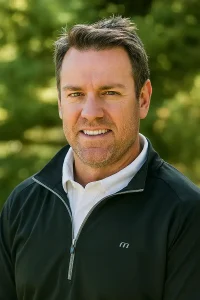
Carson Palmer
Carson Palmer is a Heisman Trophy-winning quarterback and three-time Pro Bowler who redefined leadership, resilience, and longevity over 15 seasons in the NFL.
Carson Palmer Booking & Availability
Fees, availability and booking details for corporate events, appearances and live programs.
How do I book Carson Palmer for a corporate event?
Use the Check Availability form above to send your proposed event date, location, audience size, event format and program goals. The Mollie Plotkin Group will follow up with availability and next steps.
What is Carson Palmer’s booking fee?
Carson Palmer’s current booking fee is $60,000–$75,000. Final pricing can vary by date, location, event format and scope of the appearance.
Is Carson Palmer available for my event date?
Submit your proposed date and event details and the Mollie Plotkin Group will confirm current availability.
Who is Carson Palmer’s booking agent?
Contact the Mollie Plotkin Group to inquire about booking Carson Palmer.
What types of events can Carson Palmer be booked for?
Corporate events, conferences, leadership meetings, keynote speeches, workshops, fireside chats, private events and virtual programs may be available depending on the engagement.
Carson Palmer Fireside Chats & Discussion Themes
Carson Palmer is available for fireside chats and moderated conversations on overcoming adversity, the NFL and college football.
Carson Palmer’s speaking style is a natural fit for fireside chats—engaging, authentic, and grounded in real experience. He brings a thoughtful, candid perspective to conversations, making him a compelling guest for leadership summits, corporate retreats, and private events.
Popular Discussion Themes from A Fireside Chat with Carson Palmer
- The Long Game – Leading with Grit, Grace, and Purpose: In this chat, Carson reflects on what it means to lead through transition, injury, and expectation. Audiences will hear how Palmer approached every phase of his 15-year NFL journey, sharing behind-the-scenes stories about longevity, resilience, and evolving through every phase of a career.
- Lessons from the Pocket – Decision-Making Under Pressure: From pre-snap reads to fourth-quarter comebacks, Palmer’s career was defined by the ability to make clear, confident decisions when the stakes were highest. This talk explores how to maintain focus, inspire trust, and execute under pressure—on the field or in the boardroom.
- More Than Talent – Team Culture, Trust, and Chemistry: Drawing on time with both struggling and successful franchises, Carson discusses what builds a winning culture—and what quietly erodes it.
- Building a Legacy – Philanthropy, Family & the Next Chapter: Palmer shares how purpose beyond football has shaped his post-NFL life. Through his work in philanthropy and advocacy, he offers a perspective on building a life—and legacy—centered on service, integrity, and long-term impact.
Carson Palmer Biography & Credentials
Carson Palmer’s career was a masterclass in persistence, precision, and poise. A three-time Pro Bowler and former #1 overall pick in the NFL Draft, Palmer’s career spans one of the most compelling arcs in modern football—from highly touted high school standout to Hall of Fame college athlete, to one of the NFL’s most respected quarterbacks. Today, Carson brings audiences behind the curtain of a 15-year career in pro football—sharing the leadership lessons, hard-earned comebacks, and values that defined his journey. He is well-known for his fireside chats and keynote speaking. Carson Palmer is available to be booked for corporate and private events. Contact the Mollie Plotkin Group today to inquire about Carson Palmer’s fees.
Want to book Carson Palmer for an event?
Contact the Mollie Plotkin Group at 215-995-0905 to book Carson Palmer for a keynote speech, corporate event, leadership program, workshop, fireside chat, virtual appearance, or other private or professional event.
Our team will help confirm Carson Palmer’s availability, speaking fee, travel requirements, and fit for your audience. To start the booking process, please share your event date, location, audience size, event format, and the type of presentation you are looking for.
The Mollie Plotkin Group is a full-service keynote speaker agency and entertainment bureau that helps organizations secure keynote speakers, entertainers, athletes, celebrities, and thought leaders for corporate meetings, conferences, fundraisers, and special events.
Record-Breaking High School QB
Born in Fresno, California, Carson Palmer was already turning heads by the time he reached high school. Known for his size, arm strength, and poise, he shattered 27 school records and led Santa Margarita Catholic High School to back-to-back CIF championships, establishing himself as one of the most heavily recruited quarterbacks in the country. Ultimately, he decided to attend college at the University of Southern California.
USC Heisman Trophy Winner
At USC, Palmer endured adversity early, including a broken collarbone and multiple coaching changes. But he emerged stronger, leading the Trojans to an 11-win season in 2002, a share of the Pac-10 title, and a dominant Orange Bowl win. That same year, he became the first USC quarterback to win the Heisman Trophy. He finished his college career as the Pac-10’s all-time leader in completions, attempts, and passing yards—a legacy later recognized by his 2021 induction into the College Football Hall of Fame.
Cincinnati Bengals Franchise Quarterback
Drafted first overall by the Cincinnati Bengals in 2003, Palmer revitalized a struggling franchise. By 2005, he had led the Bengals to their first winning season and playoff appearance in 15 years, earning both Pro Bowl honors and AFC Player of the Year. His powerful arm, elite accuracy, and mental toughness made him one of the most respected quarterbacks in the league.
However, during that year’s playoffs, Palmer tore his ACL and MCL, damaged his knee cartilage and meniscus, and displaced his kneecap. Over the offseason, he underwent reconstructive knee surgery, with his surgeon calling the injury “devastating and potentially career-ending.” Despite this, Carson returned to the field and started in all 16 of the Bengals’ regular-season games. Not only did he play, he passed the 4,000-yard mark for the first time in his career, finishing the season with a then franchise record 4,035 passing yards and 28 touchdowns. He also made the Pro Bowl for the second year in a row, becoming the first Bengals quarterback to do so since Boomer Esiason. Palmer played four more seasons for the Bengals, throwing for a franchise record six touchdowns in a game and becoming the NFL’s 5th fastest player to throw 100 touchdowns.
Oakland Raiders & Arizona Cardinals Resurgence
After a highly publicized departure from Cincinnati, in which the Bengals initially refused to trade him, Palmer went on to play for the Oakland Raiders for two seasons. In 2012, he threw for 4,000 yards and 22 touchdowns before being traded to the Arizona Cardinals ahead of the 2013 season.
With the Cardinals, Carson experienced a career resurgence under coach Bruce Arians. He immediately threw for 4274 yards, and became the first player in NFL history to throw for over 4,000 yards passing with three different teams. Then in 2014, two days after signing a three-year extension with the Cardinals, Palmer re-tore his ACL. Again, he returned to the field better than ever.
In 2015, Palmer delivered a franchise and career-best season, throwing for 4,671 yards and 35 touchdowns (both franchise records that stand today), securing a first-round playoff bye, and earning second-team All-Pro honors and his third Pro Bowl nomination. After the season, his fellow players ranked him 12th on the NFL Top 100 Players of 2016.
He retired in 2018, ranked 12th all-time in both passing yards and touchdowns. He remains the only quarterback to throw for over 4,000 yards with three different NFL franchises. In 2019, the Arizona Cardinals inducted Carson into their Ring of Honor as its 18th member.
Making an Impact Off the Field
Through the Carson Palmer Foundation, Carson has supported at-risk youth and community initiatives across the country. He’s worked with the Boys and Girls Club, Make-A-Wish Foundation, and Phoenix Children’s Hospital. In 2020, he and his wife, Shaelyn, pledged $300,000 to Compassion International’s “Fill the Stadium” campaign, helping provide critical resources to children and families during the pandemic.
Hire Carson Palmer
Carson Palmer’s career was marked not only by statistical excellence but also by his ability to overcome setbacks—including two major injuries, a trade standoff, and the ever-present scrutiny that comes with being a top draft pick. Through it all, Palmer led with integrity, humility, and a quiet competitiveness that teammates and coaches admired.
His insights into leadership, performance under pressure, and career longevity resonate far beyond the football field. Whether speaking to corporate teams or student-athletes, Palmer draws on decades of high-level experience to share what it takes to build culture, make high-stakes decisions, and rebound from failure.