Qualities of a Good Emcee: 8 Essential Traits Event Planners Should Look For
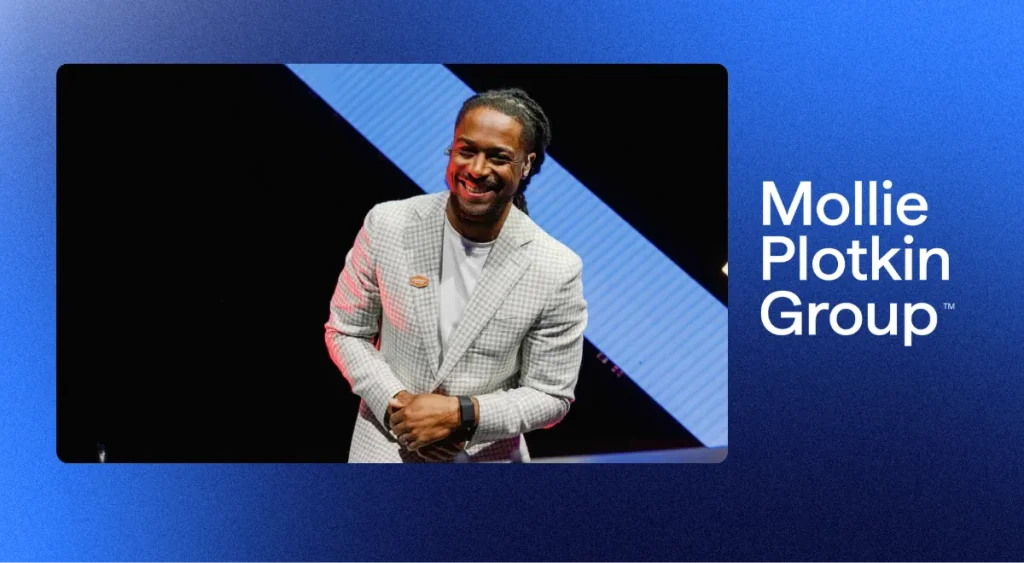
Pictured: Corporate Emcee DJ Will Gill
AI Summary
Practical takeaways from qualities of a good emcee: 8 essential traits event planners should look for, built to help planners and business leaders turn the topic into clear action.
Estimated reading time: 8 minutes
A good emcee can make a corporate event feel polished, connected and easy to follow.
Keynote speakers, executives, panelists and entertainers may each have their own moments onstage. The emcee is the person connecting all of them.
They introduce speakers, manage transitions, keep the schedule moving and help the audience understand what is happening next. At larger corporate events, that role becomes even more important because the agenda may include keynotes, sponsor moments, awards, meals, breakout sessions and entertainment.
The best emcees do more than read from a script. They understand the event, read the room and know how to keep the program moving when something changes.
Here are eight qualities meeting planners should look for.
Table of Contents
- 1. Strong Command of the Event Flow
- 2. Clear and Confident Communication
- 3. Strong Audience Awareness
- 4. Smooth Transitions Between Speakers and Segments
- 5. Professional Preparation Before the Event
- 6. Ability to Work With AV and Production Teams
- 7. Adaptability When the Schedule Changes
- 8. Warmth, Energy and Stage Presence
- How Do You Know If an Emcee Is Right for Your Event?
- Frequently Asked Questions
- Finding the Right Emcee for Your Corporate Event
1. Strong Command of the Event Flow
A good emcee understands the entire event, not just the moments when they are onstage.
They should know the run of show, speaker order, timing of breaks and the major transitions throughout the program. They also need to understand where attendees are coming from and where they need to go next.
If a keynote ends at 10:15 and breakout sessions begin at 10:30, the emcee needs to help make that transition happen cleanly. If an awards presentation moves directly into dinner service, they need to know how to hand the room off without creating confusion.
What should the emcee know?
- The full agenda and timing
- Where the audience is going next
- Which moments cannot run late
A strong emcee does not simply announce the next item on the agenda. They help the entire event feel connected.
2. Clear and Confident Communication
Many emcee moments are short.
They may have less than a minute to introduce a keynote speaker, explain a schedule change or tell several hundred people where lunch is being served.
That information needs to be clear the first time.
A good emcee pronounces names correctly, gets titles right and knows how to deliver housekeeping information without draining the energy from the room.
What does good communication look like?
- Clear speaker introductions
- Short and useful announcements
- Confidence without unnecessary filler
The emcee should make the event easier to follow, not more complicated.
3. Strong Audience Awareness
A sales kickoff and a leadership retreat need different kinds of emcees.
So do a fundraising gala and an internal strategy meeting.
The right host understands who is in the room and adjusts their tone accordingly. A sales audience may respond to a higher-energy presence. Senior executives may want something more polished and restrained. A gala may call for more warmth and humor.
Before hiring an emcee, consider:
- Who is in the audience?
- What is the tone of the event?
- How much energy does the room need?
Audience awareness also matters once the program begins.
If the room is fading after lunch, the emcee should notice. If a speaker has just finished an emotional presentation, the next transition should respect that moment.
A good emcee reads the room rather than delivering every line exactly the same way.
4. Smooth Transitions Between Speakers and Segments
Corporate events often move between very different types of programming.
A keynote may lead into a Q&A. An executive update may be followed by entertainment. An awards presentation may transition directly into dinner.
The emcee is the bridge between those moments.
They can thank the speaker, acknowledge what just happened, reset the room and introduce what comes next.
Why do transitions matter?
- They keep the program connected
- They give the audience clear direction
- They make very different sessions feel like one event
Without strong transitions, a large meeting can start to feel like a series of unrelated agenda items.
5. Professional Preparation Before the Event
A strong emcee prepares before they arrive.
They should receive the agenda, run of show, speaker introductions, pronunciation notes, executive titles and required sponsor language before the event.
For larger programs, they may also need a complete script with opening remarks, Q&A transitions, award cues, meal announcements and closing remarks.
But preparation is not just about memorizing a script.
The emcee should understand why the event is happening.
What does leadership want the audience to take away? Which moments matter most? What is the overall tone?
That context helps the emcee sound like part of the event instead of someone who was handed a script ten minutes before doors opened.
6. Ability to Work With AV and Production Teams
An emcee is part of the production.
They do not need to be an AV technician, but they should understand how the stage works around them.
They need to know where they enter, where they exit, which microphone they are using and what cues they are waiting for.
A professional emcee should be comfortable with:
- Rehearsals and sound checks
- Stage entrances and exits
- Basic AV and show cues
They may also need to work with walk-on music, videos, slides or confidence monitors.
The audience only sees the finished event. A good emcee understands that the finished product depends on coordination with the people working backstage.
7. Adaptability When the Schedule Changes
Live events change.
A speaker runs long. Lunch takes longer than expected. A VIP is late. A video needs another minute. The next panel is not ready.
This is where experience matters.
A strong emcee can stretch a transition when production needs more time, shorten their own remarks when the schedule gets tight or explain a change without making the audience feel like something has gone wrong.
What should an emcee be able to do?
- Stay calm
- Protect the tone of the event
- Adjust without drawing attention to the problem
The best emcees know the plan well enough to know where they can safely deviate from it.
8. Warmth, Energy and Stage Presence
An emcee does not need to be the biggest personality at the event.
Their job is to serve the program.
They may be the first person the audience hears from in the morning and the last person they hear from before heading to dinner. Their presence helps establish how those moments feel.
A sales kickoff may need someone who can bring the room up quickly. A leadership meeting may need a steadier presence. A gala may require someone who can move naturally between sincerity, humor and audience direction.
The right emcee should be:
- Warm enough to connect
- Confident enough to lead
- Experienced enough to know when to step back
The best emcees support the event without trying to dominate it.
How Do You Know If an Emcee Is Right for Your Event?
Start with the event itself.
Who is attending? How complicated is the agenda? How many speakers and transitions are involved? How much direction will the audience need throughout the day?
For a small meeting, an internal executive or facilitator may be enough.
For a larger corporate program with multiple speakers, awards, sponsor requirements, entertainment and room changes, a professional emcee can make a significant difference.
The goal is not simply to find someone who is comfortable onstage.
You want someone who understands the audience, works well with production, prepares properly and knows how to keep the event moving when there are a lot of moving pieces.
Frequently Asked Questions
What makes a good emcee stand out?
A good emcee makes the event feel easy.
They understand the schedule, communicate clearly, manage transitions and keep the audience connected without making the program about themselves.
What should I look for when hiring an emcee for a corporate event?
Look for strong stage presence, clear communication, good preparation habits and experience with live corporate events.
The emcee should also fit the tone of the audience. The right host for an awards gala may not be the right host for an executive leadership meeting.
Does every corporate event need an emcee?
No.
Smaller meetings may work perfectly well with an internal host, executive or facilitator.
Professional emcees become especially useful when an event has several speakers, complex transitions, sponsor requirements, awards, entertainment or a large audience that needs clear direction.
What information should I give an emcee before the event?
Give them the agenda, run of show, speaker introductions, pronunciation notes, executive titles and important AV cues.
They should also understand the audience, event goals and overall tone. The more context they have, the more naturally they can guide the program.
What is the difference between an emcee and a moderator?
An emcee guides the overall event.
A moderator typically manages one specific panel, fireside chat, interview or Q&A.
Some professional emcees can do both, but the roles are different.
Can an emcee also run a Q&A?
Yes.
For a straightforward audience Q&A, the emcee can manage questions, timing and the transition back into the program.
For a more involved panel or fireside chat, a dedicated moderator may be a better choice.
Finding the Right Emcee for Your Corporate Event
The emcee may not spend the most time onstage, but they often appear at the moments when the audience needs direction most.
That makes the role much more important than simply reading introductions.
A great emcee understands the audience, knows the flow of the program, works with production and keeps the event moving when the plan changes.
Most importantly, they make all of those moving pieces feel like one complete event.
To book an emcee for your next corporate event, contact the Mollie Plotkin Group at mollie@mollieplotkingroup.com or call 215-995-0905.